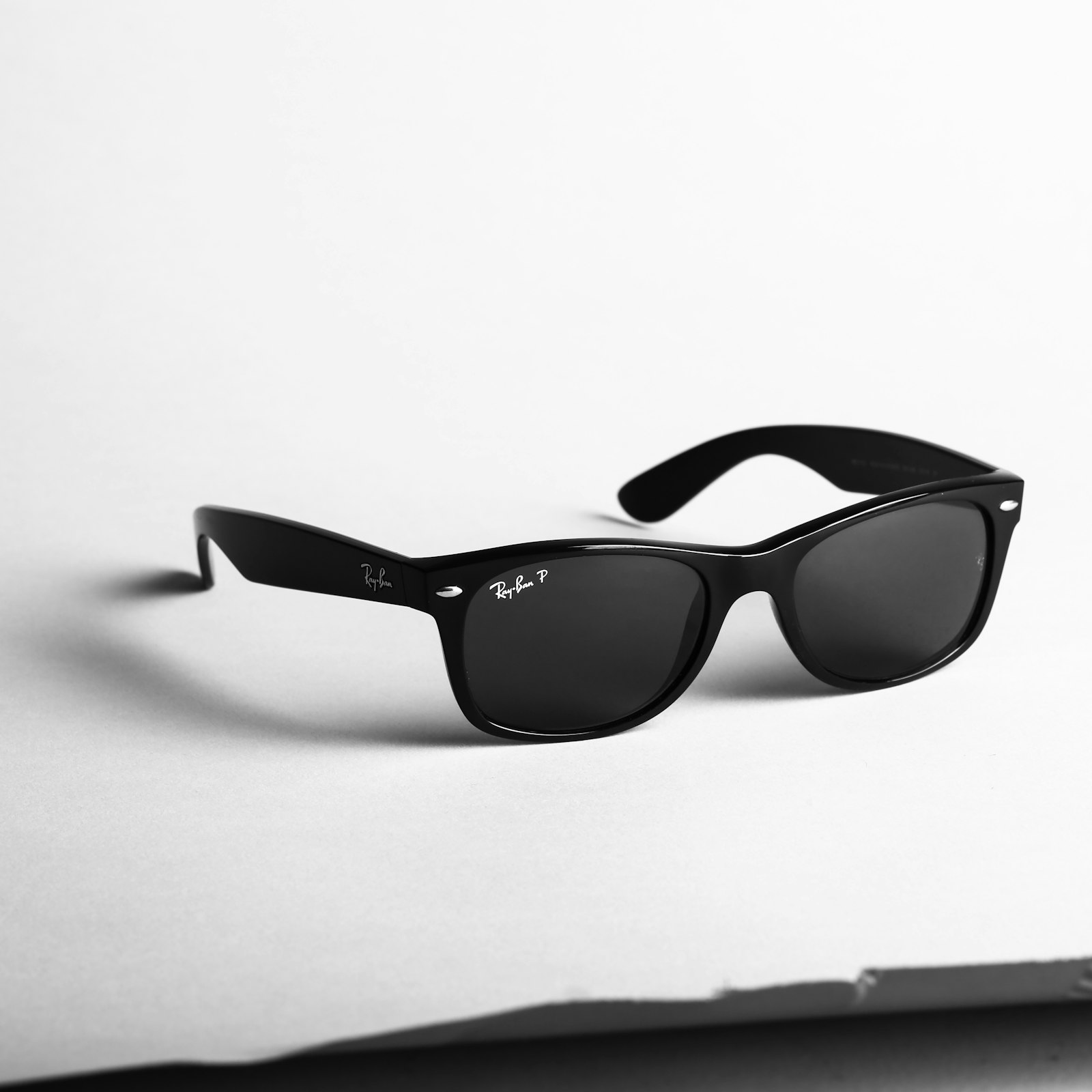
Meta Introduces Camera-Free AI Glasses With the Ray-Ban Meta Audio
Meta drops the camera from its smart glasses, betting that pure audio AI is the category that actually wins over a privacy-skeptical public.
Published: 2026-09-24 Category: Quick Take Sources: TechCrunch — Meta introduces camera-free AI glasses
The Update
Confirming earlier reports, Meta announced its first pair of camera-free AI glasses — the clunkily named Ray-Ban Meta Audio — at its Connect event. Designed with EssilorLuxottica, its partner in AI hardware, the glasses start at $349 and strip out the camera entirely, leaving the AI assistants and audio as the core experience.
The move is a direct attempt to shed the reputational baggage of camera glasses. Critics have repeatedly pointed out how people, often men, used AI glasses to record videos without subjects' consent. Meta already tried to mitigate that with an update that would disable the camera if the LED recording indicator was ever tampered with. But the "creepiness factor" persisted. An audio-only device sidesteps the whole problem — there is nothing to discreetly record with. It also positions the glasses squarely against something like Apple's Siri-powered AirPods: an always-on AI audio companion worn on the face.
"Once you get used to high quality audio, it's just a thing that you want all the time, right?" Meta CEO Mark Zuckerberg said during the keynote, adding that the company realized it could design a whole new category of glasses around audio.
Why This Matters
This is a strategic admission: the camera was the feature that made smart glasses controversial, and Meta is betting the audio-only form factor is what opens the mass market. In doing so, it trades the flashy multimodal demo for something more defensible on privacy grounds. The wearables space is littered with devices that failed on comfort, battery, or social acceptability — not on raw capability. Removing the most socially fraught sensor is a practical answer to the adoption problem that cameras kept creating.
For Meta, audio glasses are also cheaper to build and sell. A $349 entry point, with no camera module and no recording-LED compliance complexity, is a lower-risk path to getting AI hardware on faces at scale — and into the data-collection flywheel that powers its AI ecosystem.
The Risk
The open question is whether audio alone is a compelling reason to wear glasses rather than earbuds. Apple's AirPods already deliver high-quality audio plus Siri, in a form factor most people already own and prefer. Meta's bet is that glasses add value — an always-available AI that you can talk to hands-free without anything in your ears — but that pitch has yet to be proven at scale. Dropping the camera solves the privacy problem, but it also removes the marquee feature that made the original Ray-Ban Stories distinctive. The category gamble is real: win over privacy-conscious users with a cleaner pitch, or end up competing in a commodity audio-AI market where Apple already sits.
Sources: TechCrunch — Meta introduces camera-free AI glasses (Sep 23, 2026).