Anthropic is running a wet biology lab
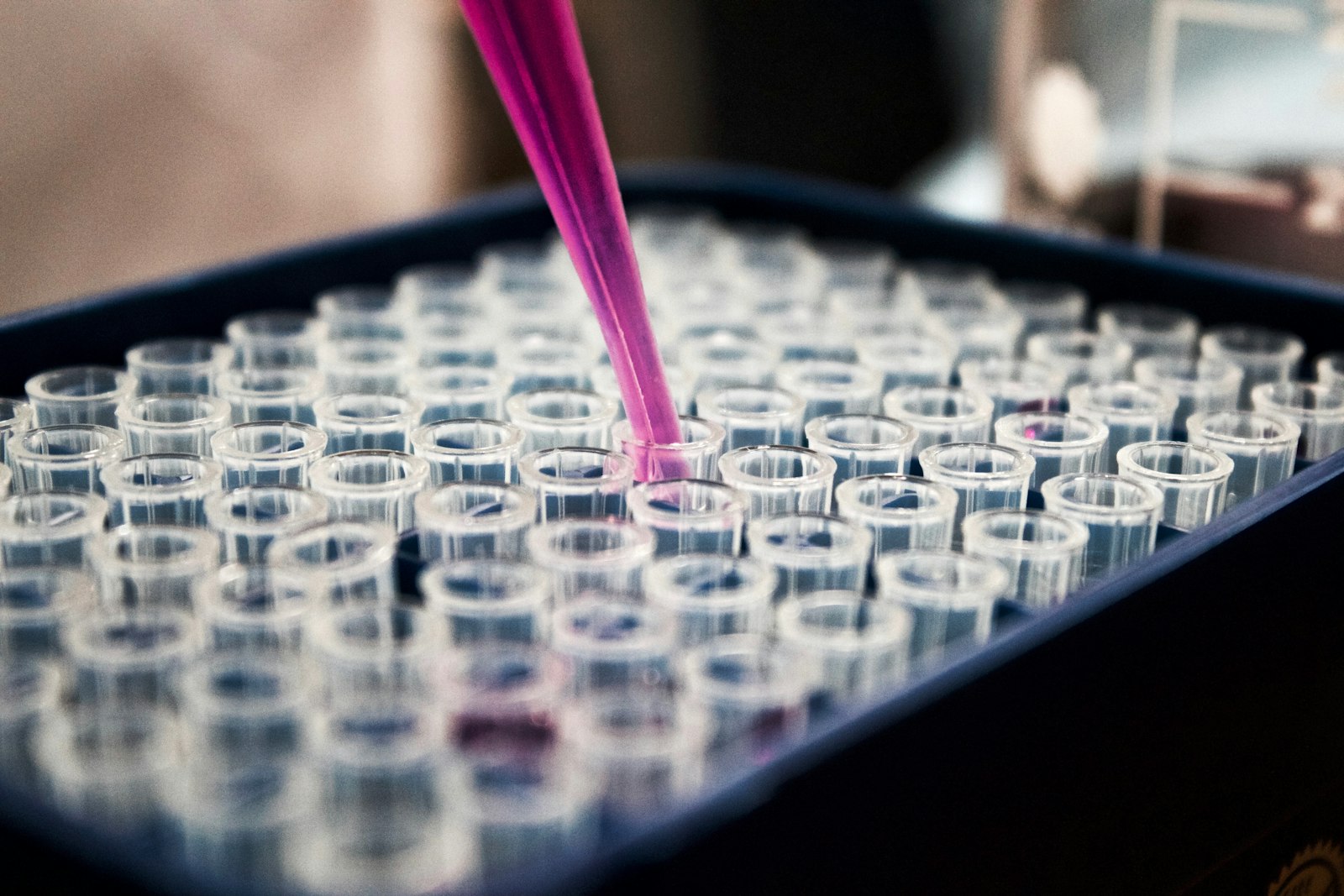
The AI lab has confirmed it operates a real biology lab in the Bay Area where its models can run physical experiments — a concrete step toward the "AI cures disease" promise that sits awkwardly beside Anthropic's own dire warnings about AI risk.
Published: 2026-09-21 Category: Quick Take
Sources:
The confirmation
Anthropic has a wet biology lab in the Bay Area where it can use its AI models to run physical experiments, it confirmed to TechCrunch. The news shouldn't be entirely surprising — Anthropic bought Coefficient Bio, a stealth AI biotech, back in April. But it's a meaningful step past the hype.
AI leaders have spent the last year promising AI is the key to curing human disease. Dario Amodei opined just last week that "AI could cure most major diseases in the next 5-10 years." For that to be anything more than a slogan, an LLM has to be able to test its theories in the real world. As Anthropic's head of life sciences, Eric Kauderer-Abrams, told Reuters: "We believe that to do biology, the final test is still, and will be for a while, in real lab work. We absolutely are doing that today."
The careful positioning
Anthropic is being deliberate about how this looks. It declined to give specifics on what the lab is working on, beyond saying the main focus is fundamental biology, not drug discovery. That distinction matters: Anthropic doesn't want to appear to compete with the pharma industry, where it has major customers and partners — it just announced a deal to work with Novo Nordisk on joint drug discovery.
To reinforce the friend-not-rival posture, Anthropic also launched a Life Sciences Verification Program this week to give vetted bio researchers access to its most powerful models, and published reports on accelerating protein design and improving biomolecular modeling.
The uncomfortable juxtaposition
The tension is hard to ignore. Anthropic has spent recent weeks warning loudly about AI risk — researcher Jacob Coxon resigned warning that "the people building AI earnestly believe that it could kill us all by the end of the decade," and Anthropic's own alignment lead put the odds of AI exterminating humanity within a decade at greater than 10%. Amodei published a post calling for the industry to slow down and self-regulate, and has repeatedly named bioterrorism one of AI's biggest risks.
And yet here it is, building a wet lab where AI models conduct real biology experiments. Chamath Palihapitiya nailed the optics on X: "The group behind such hits as: 'We're All Going To Die' and 'Regulate Me Now' are building a wet lab in SF. I do not recommend this."
Why it matters
The biosecurity question is the sharpest version of AI's central dilemma. The same capabilities that could accelerate drug discovery and cure disease could, in the wrong hands, enable bioterrorism. Anthropic says it wants the upside while managing the downside — hence the verification program and the careful framing. But running its own wet lab, even on fundamental biology, blurs the line between the frontier AI lab and the biology it warns about.
The bigger story is that AI labs are no longer content to be software companies. Anthropic is doing biology experiments in physical labs. That's a reminder that the "AI could transform science" promise is moving from PowerPoint to pipettes — and that the companies making the most dire warnings about AI are simultaneously building the capabilities that make those warnings vivid.
This Quick Take is based on reporting by Julie Bort at TechCrunch.