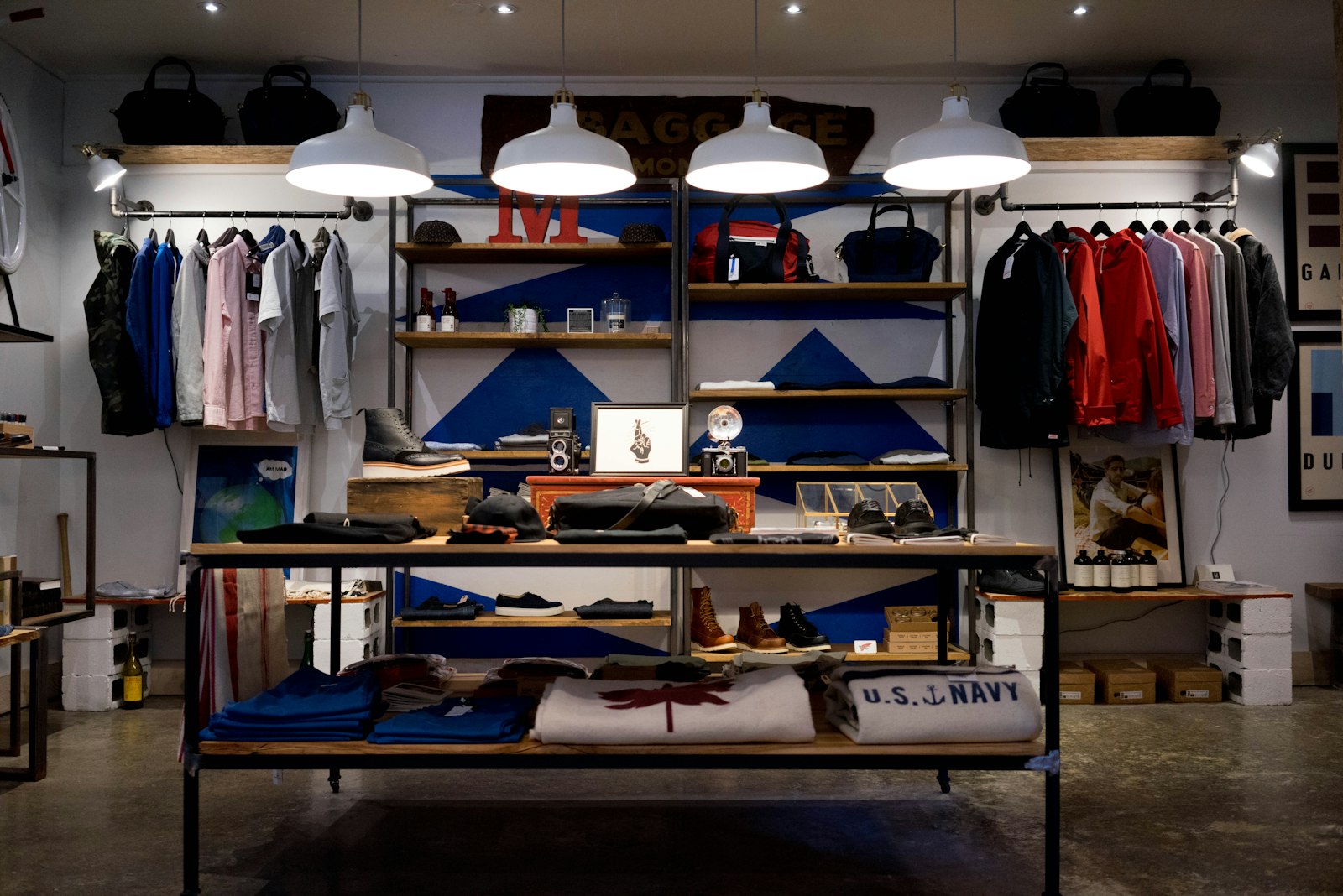
The man behind Apple's stores doesn't buy Silicon Valley's bet on AI shopping
Ron Johnson, who built Apple's retail empire, argues the industry is overestimating how much shopping people will hand over to AI agents — insisting physical stores survive and a $1,000 laptop is too personal a purchase to delegate to a machine.
Published: 2026-09-22 Category: Quick Take
The contrarian case
While Silicon Valley pours billions into AI agents that shop for us, Ron Johnson — the 66-year-old who joined Apple in 2000 to build its retail business as online shopping took off — thinks the industry is overestimating how much of shopping people will hand to machines. Asked whether someone would let an agent choose and buy a $1,000 or $2,000 laptop without ever visiting a website or a store, he was blunt: "Honestly, nobody's going to do that."
Why laptops are different
To Johnson, buying a laptop is too personal a purchase to delegate. Buyers want to feel its weight, see the display, decide which size suits them. AI may narrow the choices, he conceded, but many consumers would still want to experience the product before spending that kind of money. "AI will never be able to have you physically experience a product," he said, arguing agents will instead make people "more informed shoppers when they come to the store."
The retail philosophy underneath
Johnson's conviction traces back to a decision Apple made more than two decades ago. Its stores were designed not just to sell Macs but as places where people could try products, learn how to use them, and return for help when things went wrong. "The secret sauce for Apple has always been its people, the people in the store, and how they treat the customer," he said — noting Apple Store employees aren't commissioned, an idea meant to remove sales pressure and instead have staff figure out what a customer actually needed.
He also concedes his later attempt to fix J.C. Penney by changing too much, too quickly, without bringing employees and customers along proved the limits of the approach. Apple's stores had grown as a startup alongside the products; Penney was a turnaround needing a different playbook.
The sharp read
This is a useful corrective to the agentic-commerce hype, but it's also a founder defending his own cathedral. Johnson built his career on the thesis that physical, human-led retail has durable value, so of course he believes it. The more interesting point: even he accepts AI will improve online shopping and make buyers more informed — the disagreement is about the last mile, whether the physical experience stays irreplaceable. For high-touch, high-ticket purchases he has a strong case. For restocking basics, the agent's case is stronger than he lets on. The truth is likely both: agents win the boring purchases, stores win the considered ones.
Source: TechCrunch