Article 345: Alphabet Lost $500 Billion in a Day Because It Spent More Cash Than It Made
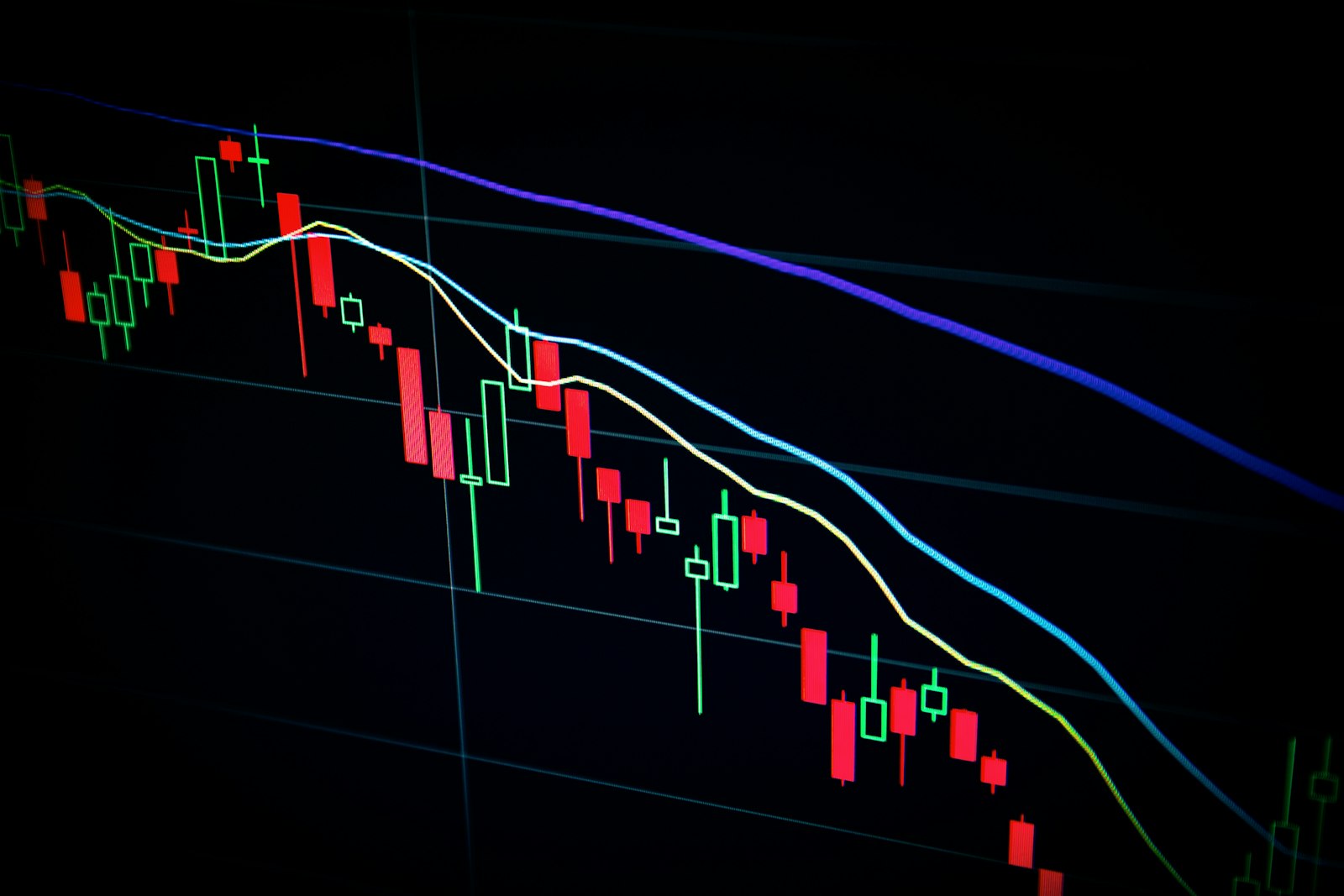
Alphabet shares fell almost 13 per cent on Thursday - the steepest single-day drop in its history, past the 11.6 per cent of March 2020. Roughly half a trillion dollars of market value gone in one session.
The cause was not a miss on revenue. It was the day after results showed the company spending more cash than it brought in, and the spending was overwhelmingly data centres.
Why this one landed differently from the last dozen
For two years the market has accepted capex growth on one condition: that it is financing a future it can eventually see. Analysts have argued about depreciation schedules, about whether GPUs are assets or consumables, about what "return on AI investment" would even measure. Those arguments are professional and, crucially, unfalsifiable at the moment. Nobody can prove you wrong about 2029.
Cash flow is falsifiable. It is a number in this quarter's accounts, and it went negative. The audience that cares about it - income investors, credit desks, anyone modelling the dividend - is not the audience that has been bidding the stock up on benchmark screenshots.
The symmetry nobody enjoys
This lands in the same week Bloomberg reported that Anthropic accounted for 34.5 per cent of SpaceX's revenue last quarter, making an AI lab a bigger SpaceX customer than the US government, on a commitment of up to $120.5 billion for compute through 2029.
Follow the money around the loop. Google buys chips and builds halls. Anthropic rents compute from SpaceX. SpaceX buys launch capacity and satellites. Nvidia takes equity in the customers buying its chips. Each transaction is real, and each one is also somebody's revenue supporting somebody else's valuation. When capex and revenue in an ecosystem are the same dollars moving in a circle, the thing that breaks the loop is a cash flow statement.
What to watch
The honest read is that Alphabet can afford this indefinitely; it is one of the few companies on earth that can. What it cannot do is afford it quietly. The next quarter's capex guidance is now a public referendum, and every hyperscaler reports in the same window.
Key Takeaway: the AI trade has spent two years being valued on capability. Thursday it was valued on accounting. That is not a crash - Alphabet's search and cloud businesses are still enormous - but it is a change in what the market is asking about, from "how good is the model" to "when does this pay". Every lab, neocloud and infrastructure vendor raising money this quarter now has to answer the second question, and none of them can answer it with a benchmark.